




Snow Leopard Observation Journey in Ladakh
10- day tour
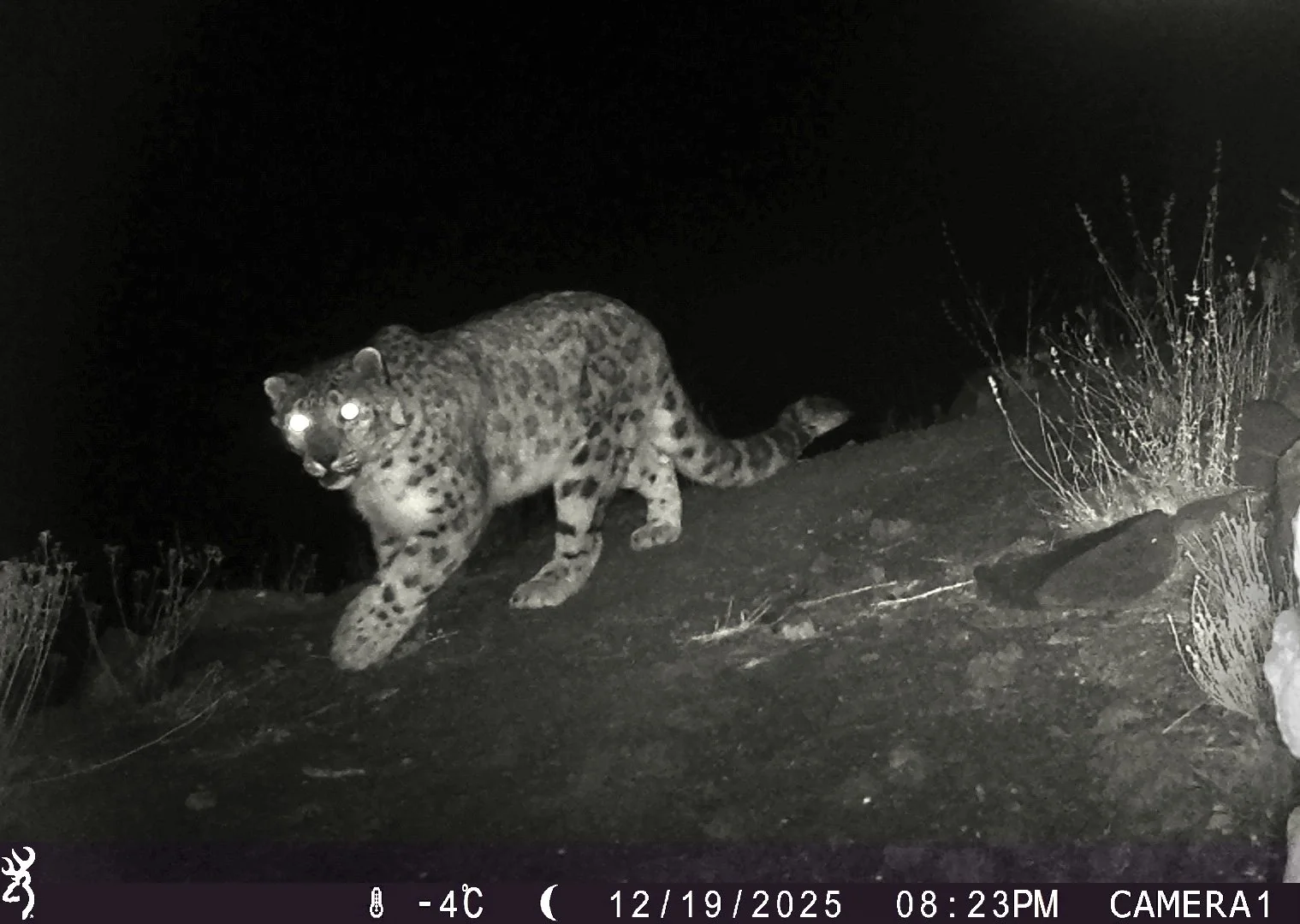
Snow leopard watching in Ladakh is a rare and transformative journey into one of the world’s last great wildernesses. These elusive big cats, often regarded as one of nature’s last true icons, symbolise the raw and untamed beauty of the Himalayas. Spotting this endangered species requires patience, but the reward is profound—set against some of the most dramatic landscapes on Earth.
In recent years, snow leopard tourism has grown steadily, supported by improved infrastructure and global awareness raised by organisations such as the BBC, National Geographic, and the Snow Leopard Conservancy (SLC). Community-led conservation initiatives, including the homestay programme in Rumbak Village within Hemis National Park, have created sustainable livelihoods for local communities while strengthening conservation efforts.
These initiatives have since expanded to regions such as Ulley, Shang–Sumdo, and Mangyu, helping distribute visitor pressure, reduce overcrowding, and ensure that both snow leopards and local villagers can thrive together while preserving the region’s unique biodiversity.
Why Winter Is the Best Time
Rare Opportunity
Snow leopards are among the world’s most elusive big cats, thriving at altitudes above 5,000 metres. During winter, they descend to lower elevations, significantly increasing the chances of observation.
Higher Wildlife Activity
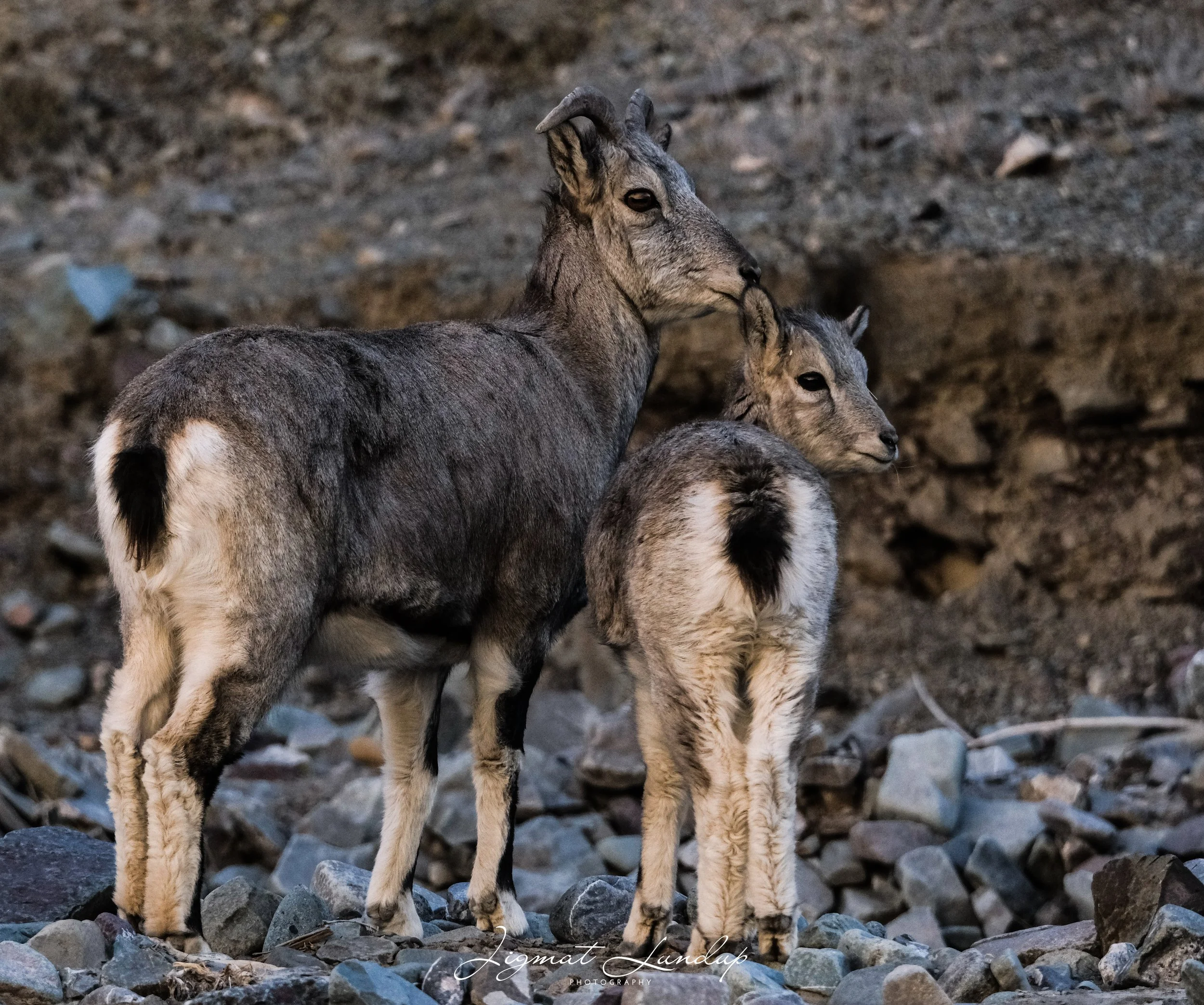
From December to April, prey species such as ibex, blue sheep, and Ladakh urial move to lower elevations in search of food and water. This seasonal movement attracts snow leopards and creates exceptional conditions for wildlife observation and photography.
Mating Season
Between January and March, snow leopards become more active as it is their mating season. They travel widely in search of mates, offering valuable opportunities to observe behaviour and movement patterns.
A Deeper Connection
Winter observation is not just about sightings. It is about witnessing resilience, understanding fragile high-altitude ecosystems, and leaving with a deeper respect for nature and conservation.
What Makes This Journey Different
Focus on behaviour, ecology, and signs—not just sightings
Strong emphasis on ethical photography and storytelling
Meaningful engagement with local communities
Flexible schedule guided by nature and wildlife movement
Ideal for photographers, students, and conservation-minded travellers
This is not just a tour—it is an invitation to step into the world of the snow leopard with patience, respect, and curiosity.
About the Experience
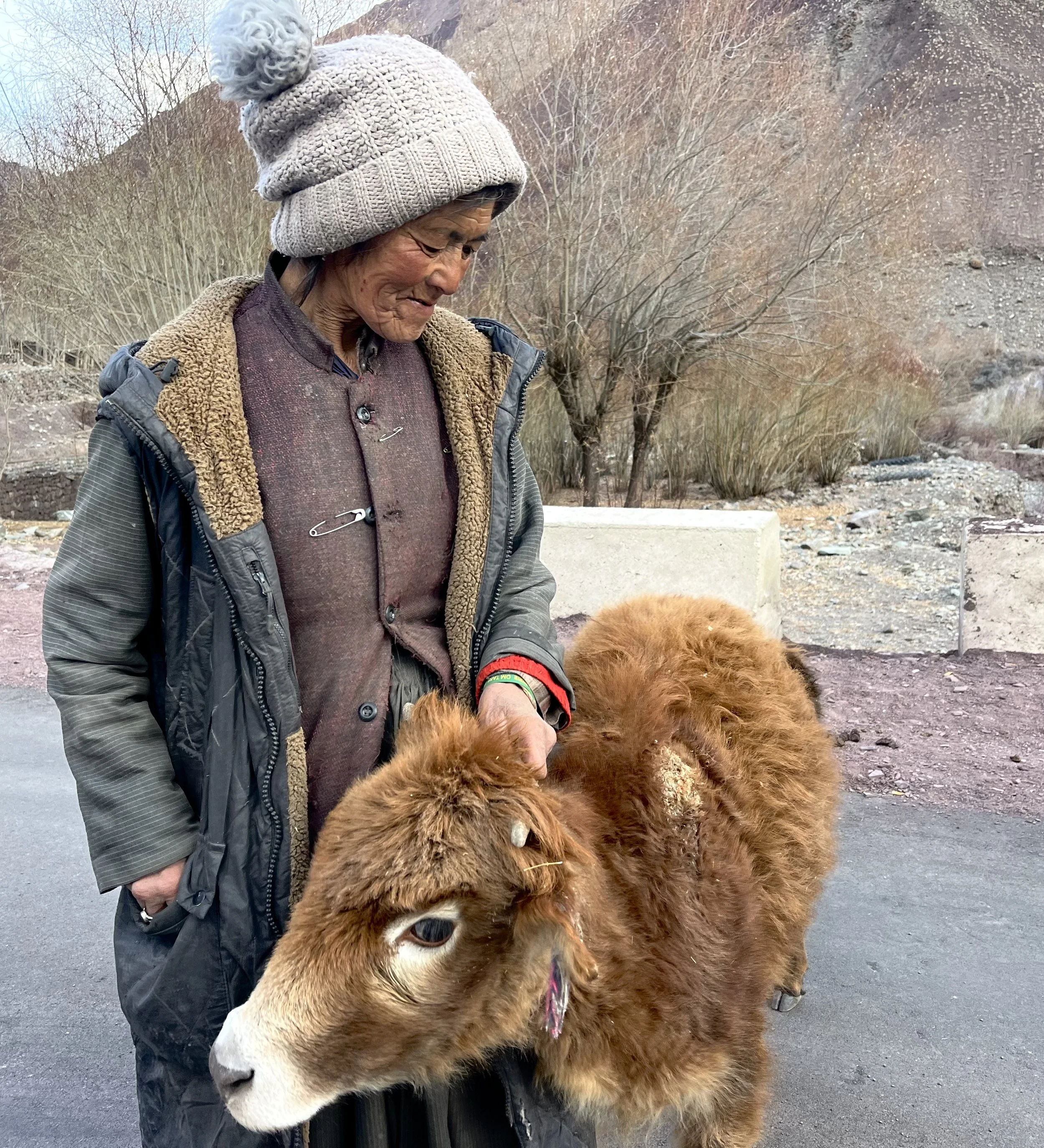
This journey is designed for photographers, naturalists, and curious travellers who wish to go beyond a checklist-style wildlife tour. Led by a storytelling photographer deeply connected to Ladakh’s landscapes and communities, the experience emphasises immersion—into snow leopard behaviour, signs, territories, and the human stories that share this space.
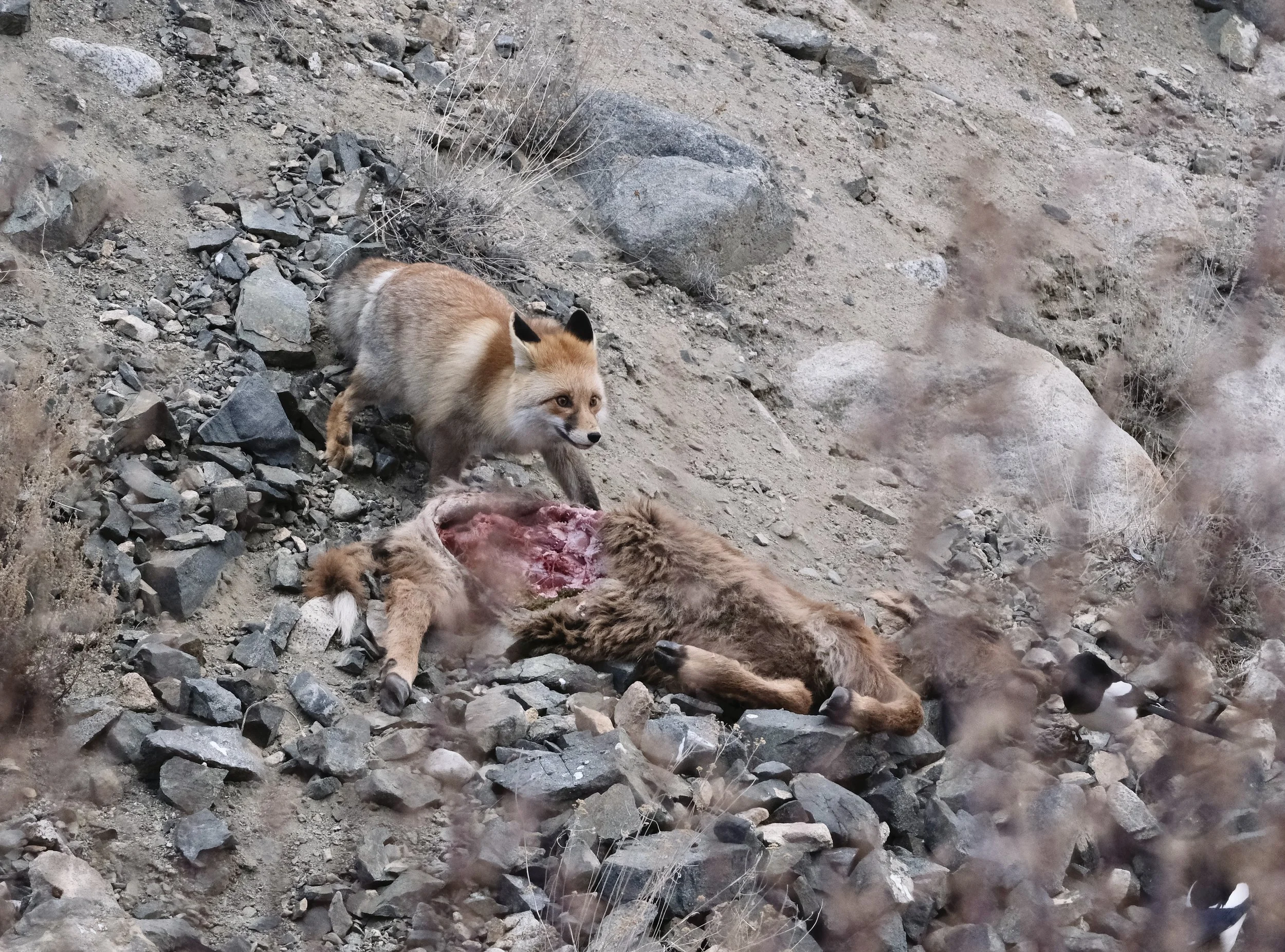
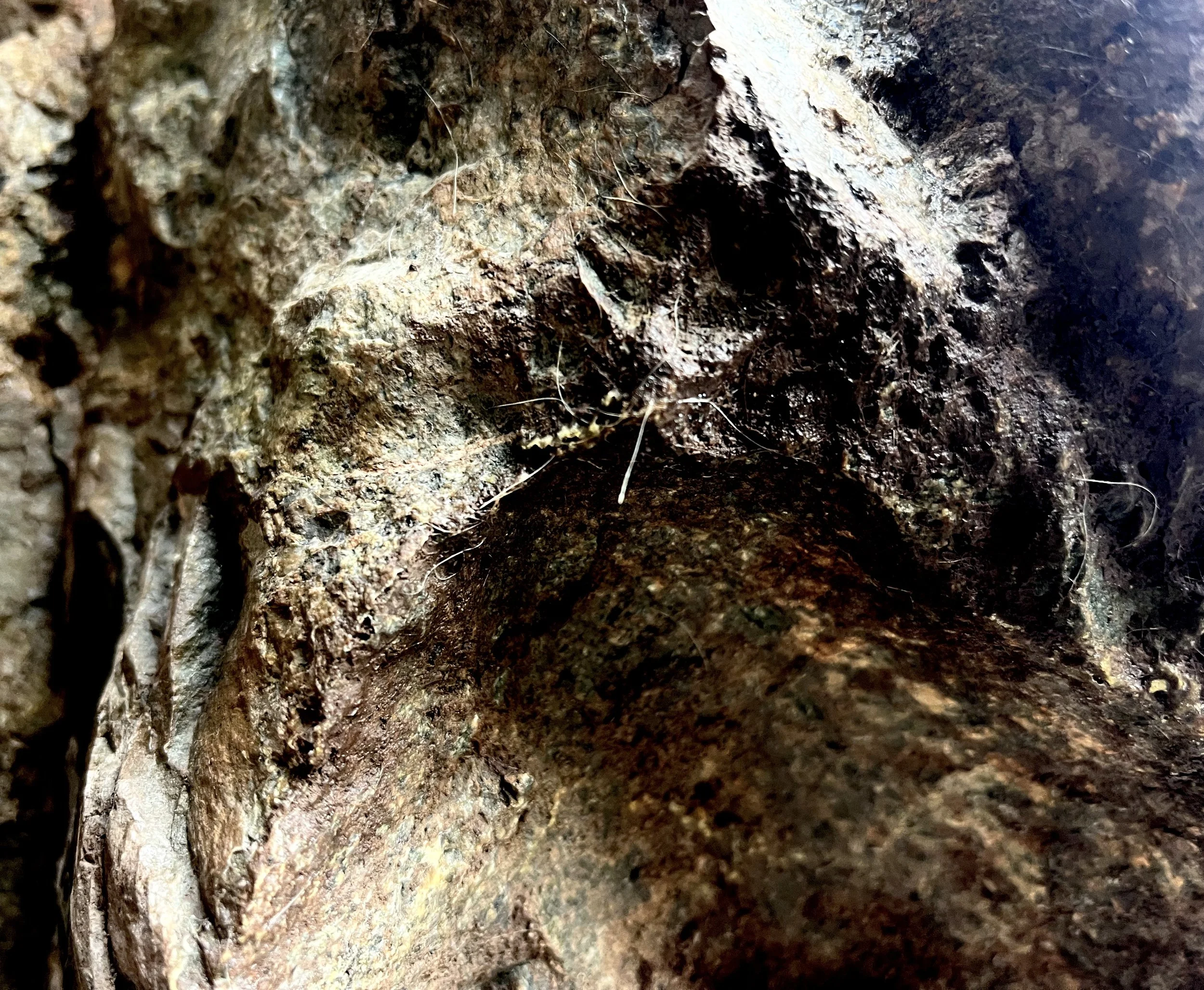
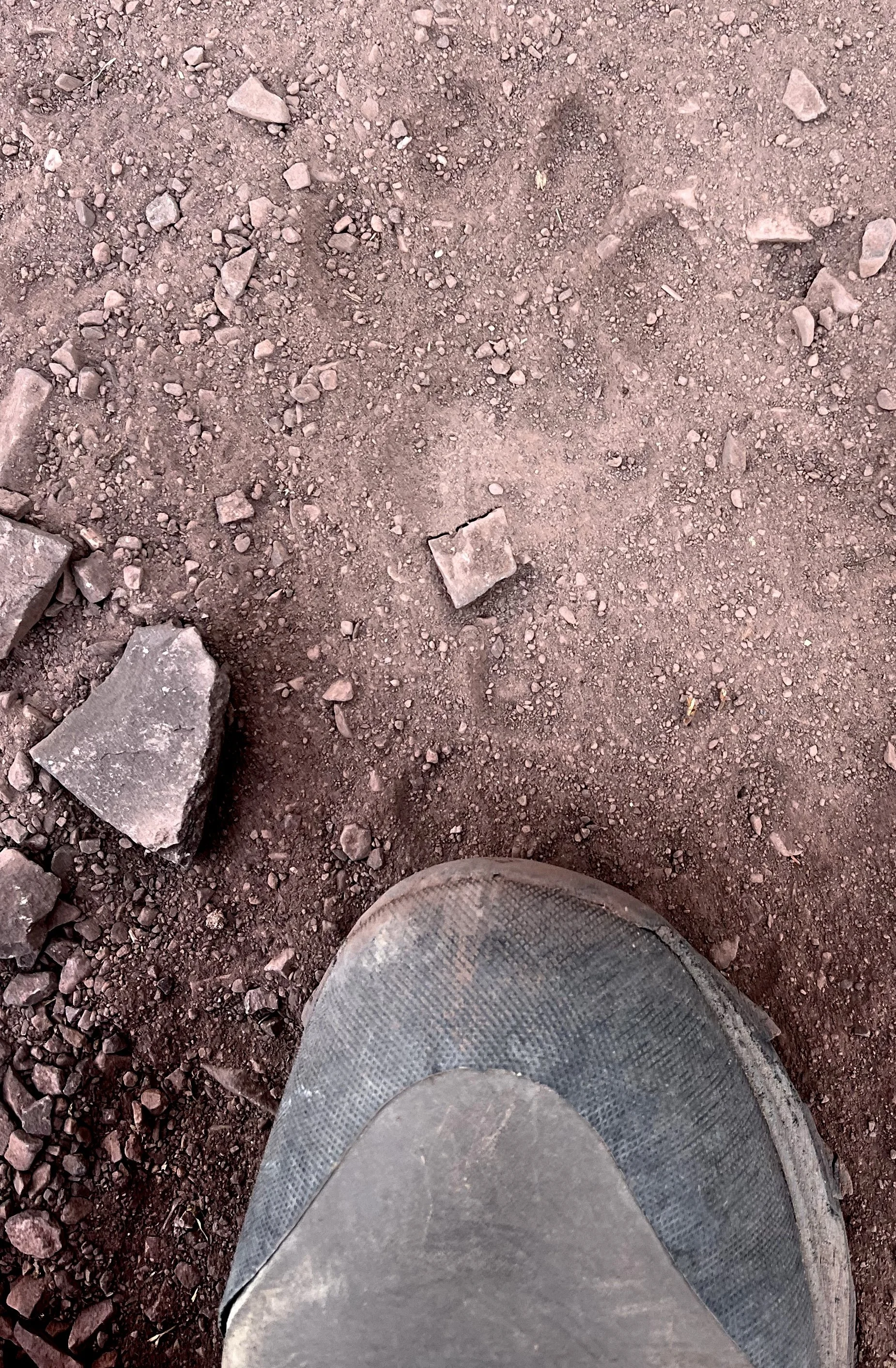
Guests learn to read the land through tracking signs such as scrapes, scent spraying, rubbing sites, and movement corridors. Equal importance is given to listening to local herders and understanding real-life challenges of coexistence, livestock loss, and conservation.
This flexible 10-day journey values patience, learning, and presence, offering a meaningful alternative to conventional wildlife tours.
Core Snow Leopard Territories
Shang–Sumdo (Hemis National Park) A high-sighting area with open terrain, dramatic light, and visible movement corridors—ideal for photography and behavioural observation.
Rumbak Valley (Hemis National Park) One of the closest snow leopard habitats to Leh. Overnight stays provide deeper insight into community-led conservation and daily life in snow leopard territory.
Mangyu & Surrounding Valleys A quieter region hosting blue sheep, ibex, and Ladakh urial within one landscape, rich in territorial signs and predator–prey interactions.
Ulley Valley Among Ladakh’s most reliable snow leopard areas, supported by high ibex populations. Overnight stays are often required when sightings occur.
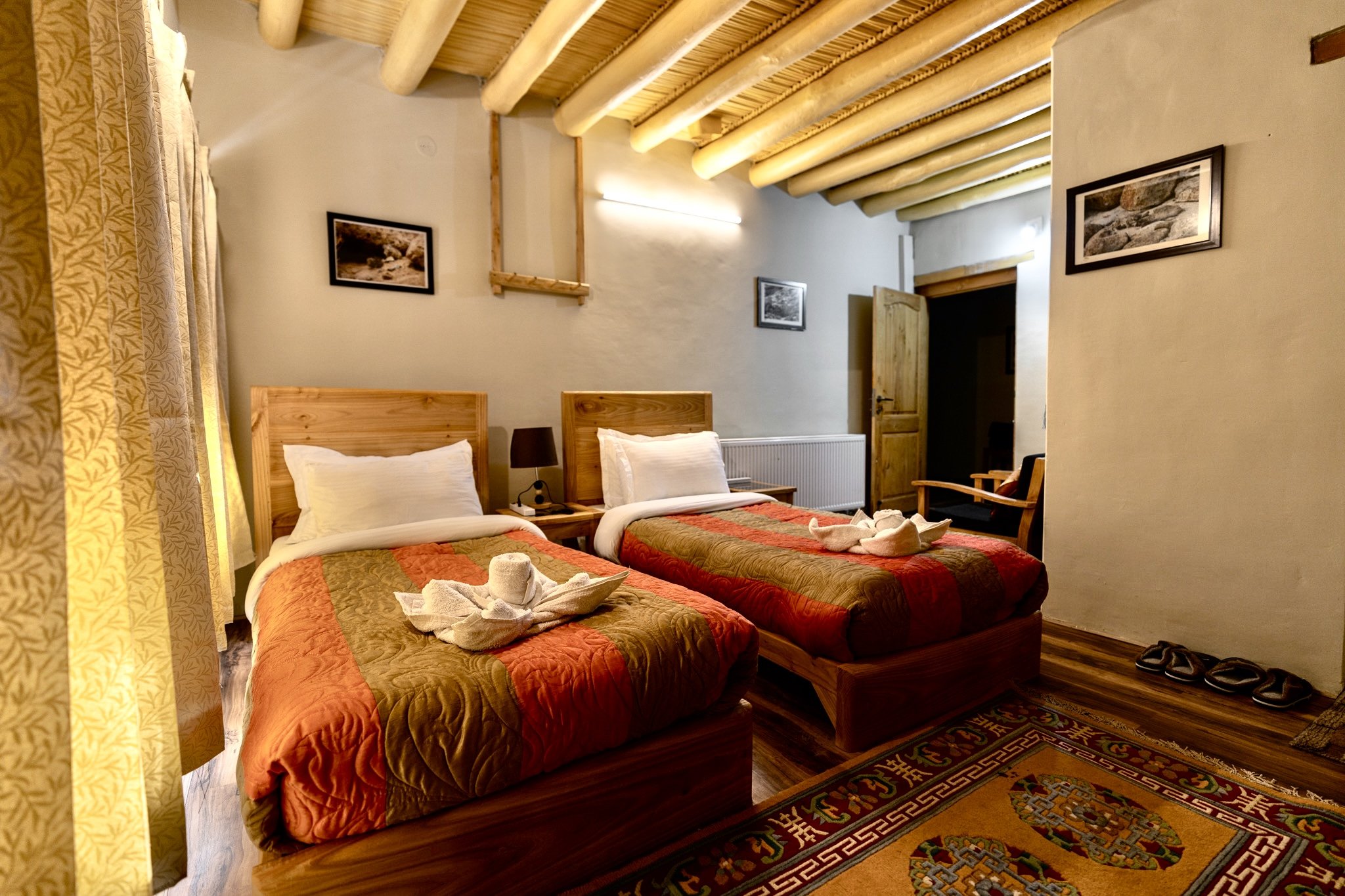
Accommodation includes Hotel, lodges, Guest house or village homestay, depending on location.
Day-by-Day Overview
Day 1 – Arrival in Leh (3,500 m)
Arrival, rest, acclimatisation, and an optional gentle walk.
Overnight in Leh.
Day 2 – Acclimatisation & Orientation
Briefings on snow leopard ecology, field ethics, high-altitude safety, photography approach, and conservation challenges.
Overnight in Leh.
Days 3–8 – Immersion in Snow Leopard Territory
Six full days dedicated to observation and learning, guided by weather conditions and wildlife movement.
Key experiences include:
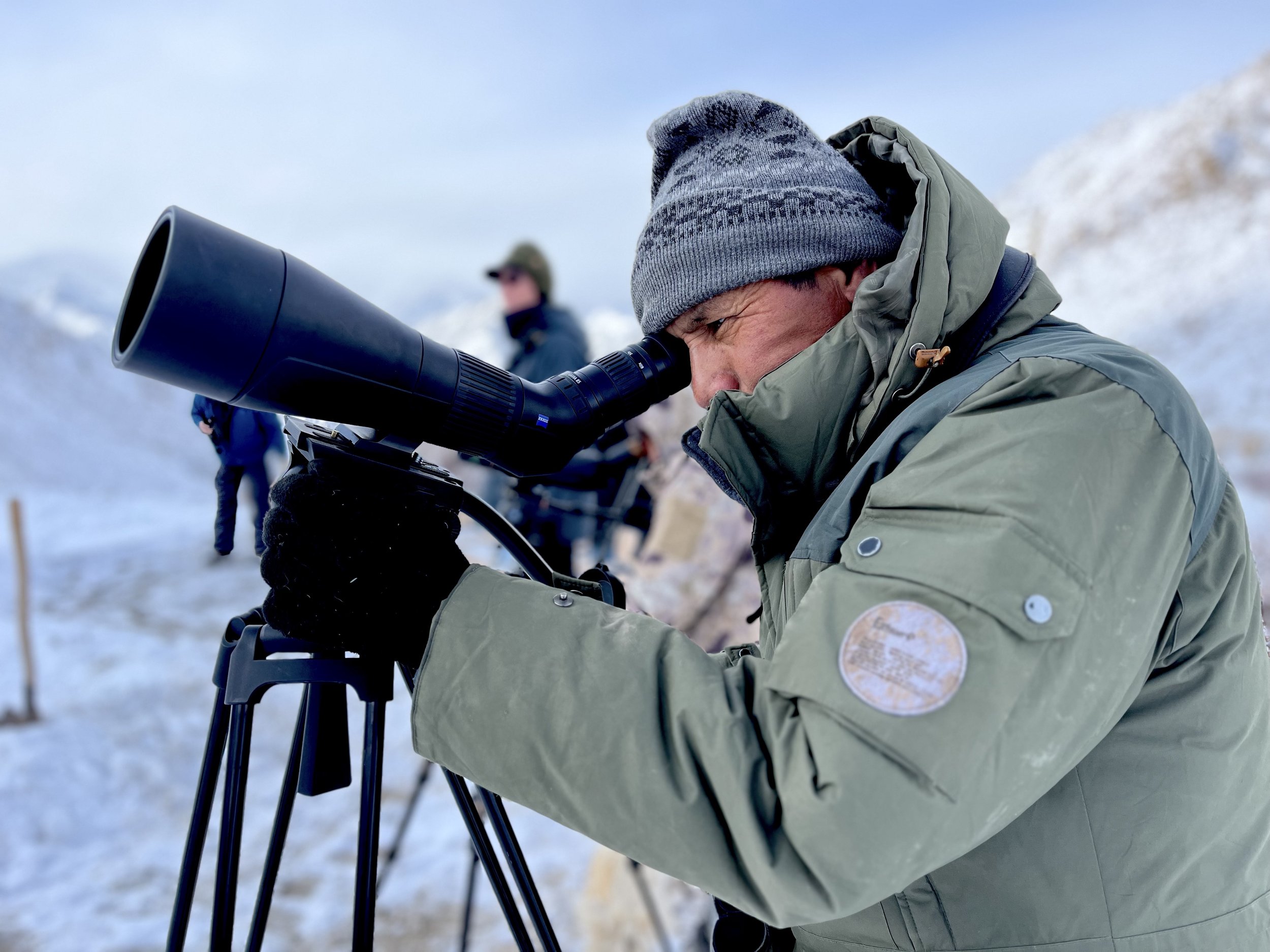
Tracking snow leopards through signs and behaviour
Wildlife photography of snow leopards and prey species
Visiting villages with a strong history of snow leopard sightings
Conversations with local herders and community members
Learning traditional knowledge alongside modern conservation practices
Quiet observation, storytelling, and reflective photography
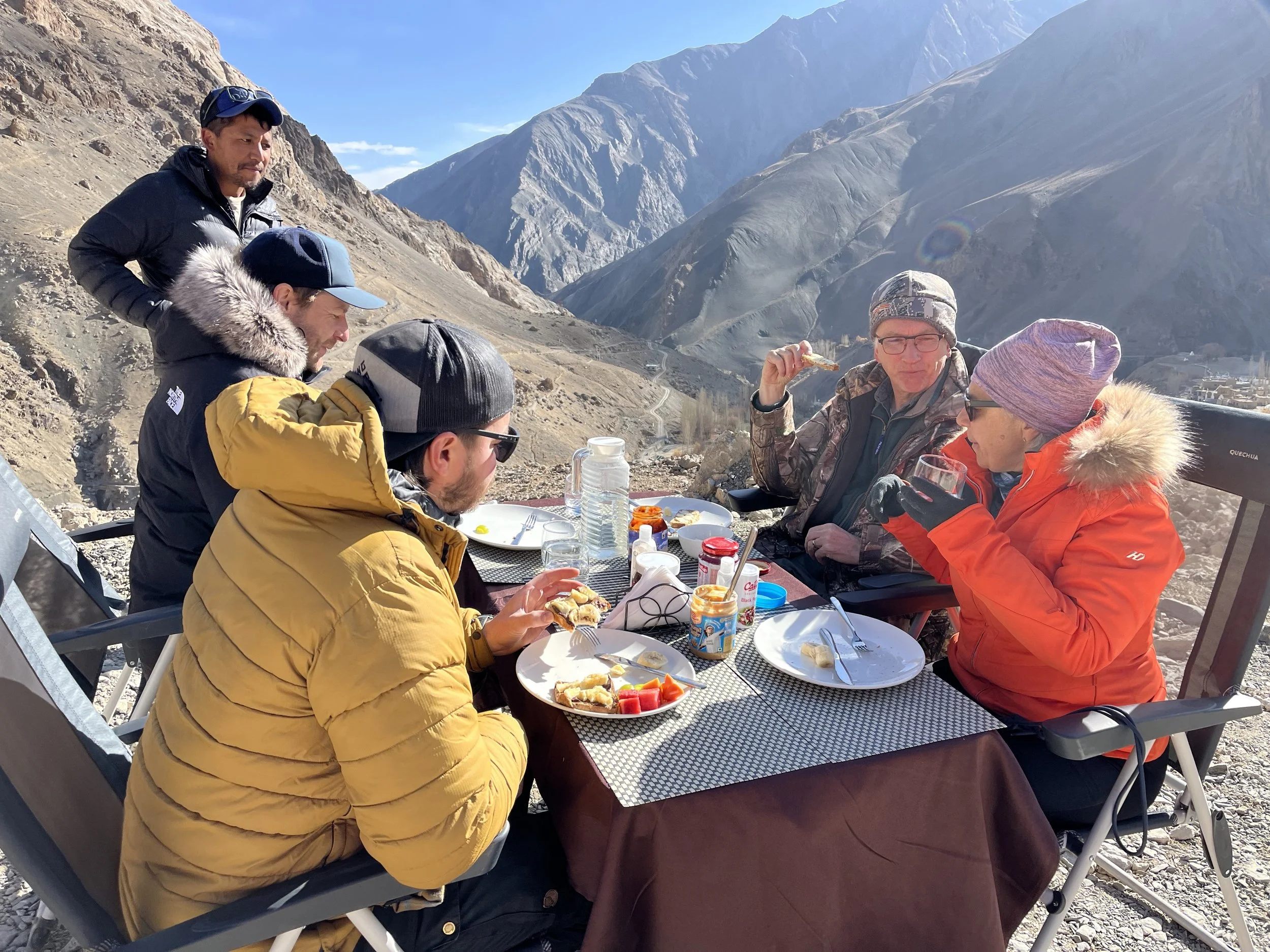
Overnight stays in lodges ,village home-stay, Guest house or hotel in Leh.
Day 9 – Return to Leh
Drive back to Leh. Free evening for rest or image review.
Overnight in Leh.
Day 10 – Departure
Transfer to Leh Airport for onward journey.