Guarding the Herd: The Uncertain Life of Tsering Dolma
By Jigmat Lundup, 2026
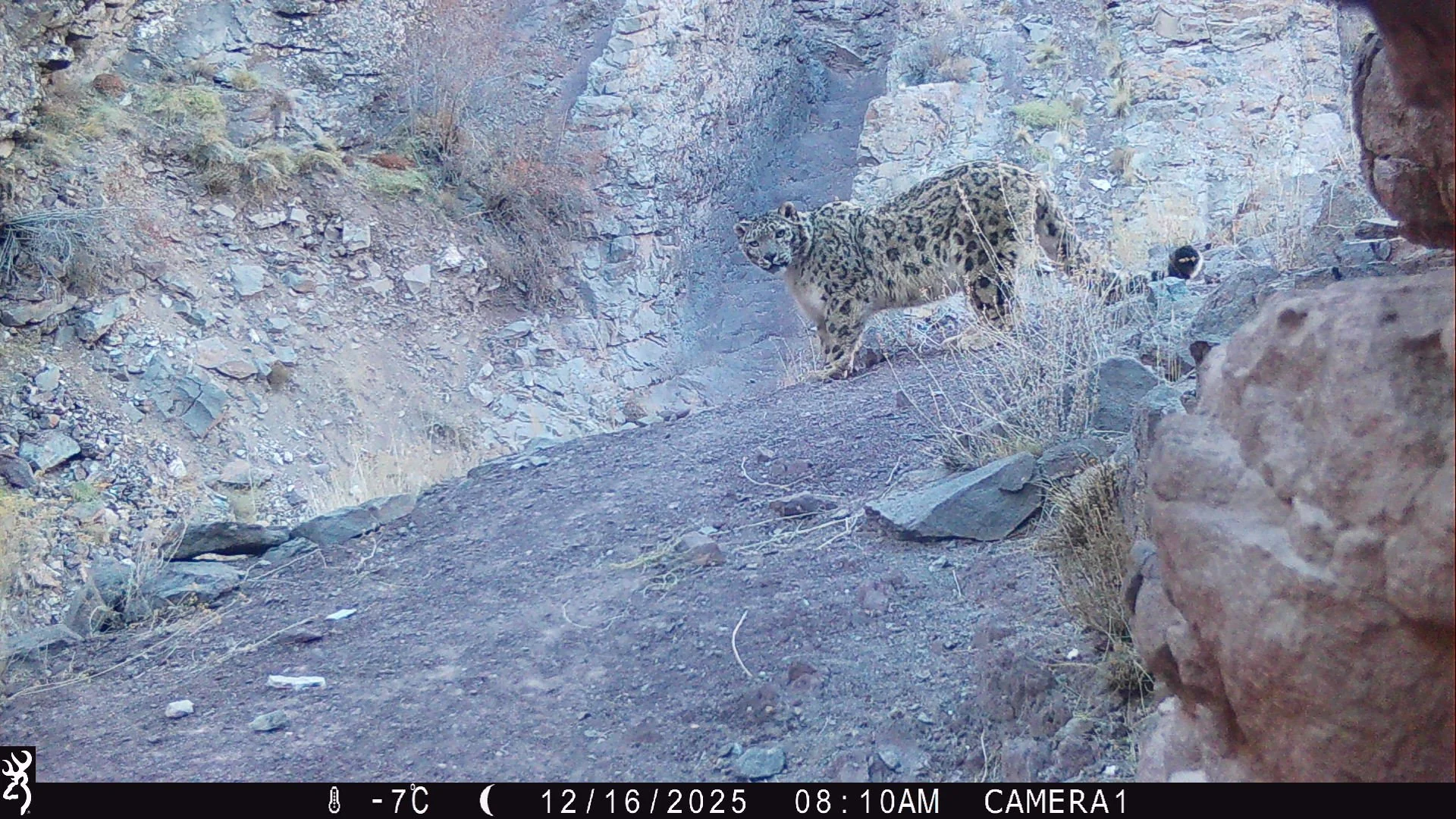
Tsering Dolma, a 63-year-old woman from Shang village in the Shang Valley, has spent her entire life living alongside snow leopards—sometimes peacefully, but often in conflict. This autumn alone, snow leopards killed or injured 15–16 livestock across the valley. Among them were two of her calves: one was killed, while the other narrowly survived. She also lost her pet cat and its kittens.
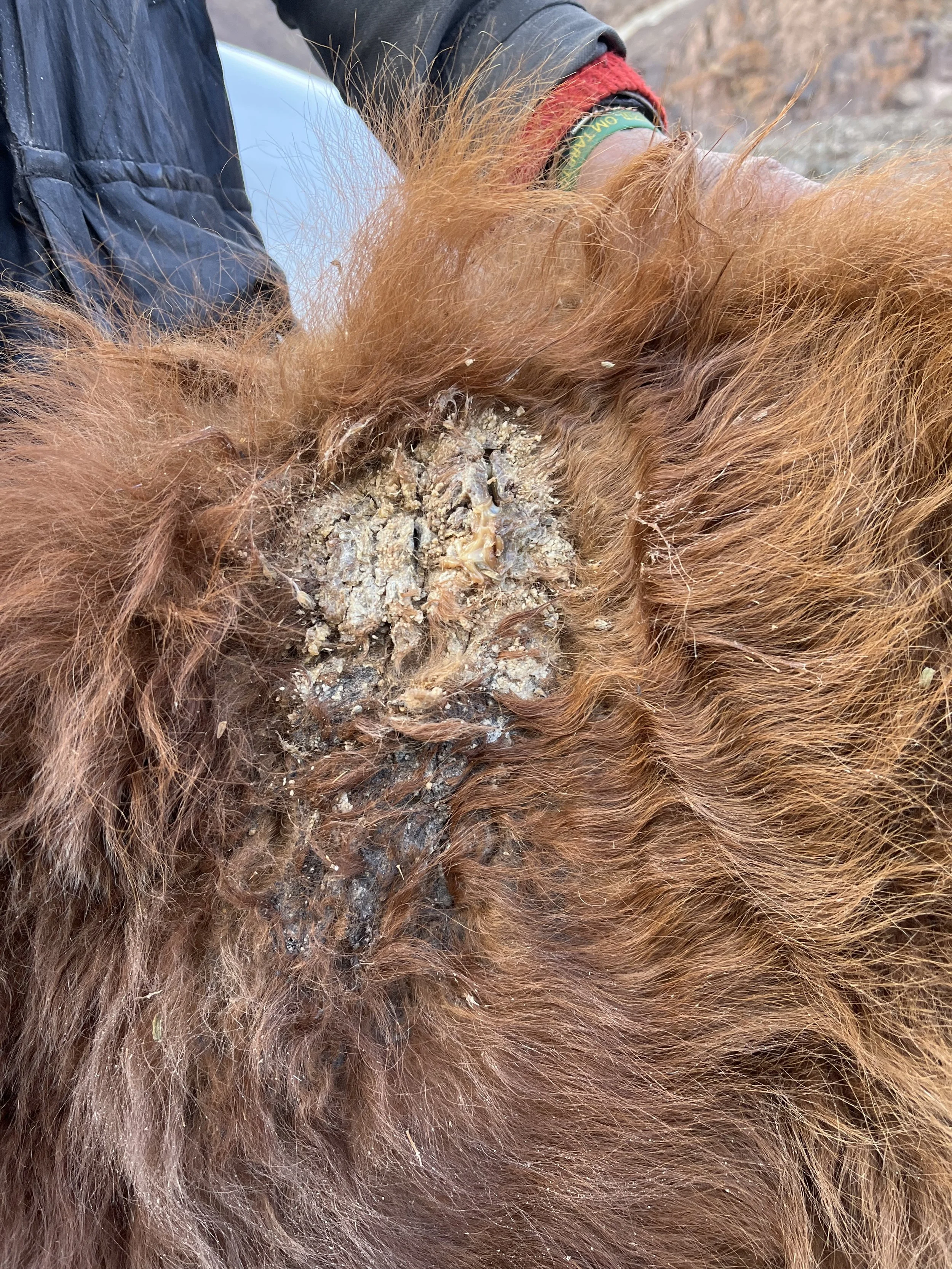
The attacks occurred only weeks ago. On the day one calf was attacked, Tsering Dolma had gone to the monastery. When she returned in the afternoon to bring her cows and calves home, she was barely ten meters away when she saw a snow leopard holding her calf in its mouth. She reached in time to scare it away, saving the calf’s life. Born in spring, the calf escaped with deep bite marks on the back of its neck and is still recovering.
The other calf was not as fortunate. Rather than leaving the carcass for the snow leopard, she gave it to a neighbour. Tsering Dolma believes that allowing leopards to feed on domestic animals only encourages them to return.
“We get no benefit by letting the snow leopard eat our animals,” she says. “If the meat must go to someone, I would rather give it to my dogs.”
Her concern is rooted in experience. She fears that once a snow leopard becomes comfortable feeding near homes, it may enter animal sheds—something that has already happened to a family in nearby Nagdang. Although she asked someone to inform the wildlife department, no officials came to inspect the incident. Even compensation, she says, is meaningless if it comes with pressure to leave the carcass behind.
She is especially worried about winter, when tourists arrive hoping to see snow leopards. If a leopard kills her livestock, she insists she will not allow it to feed on the carcass, even if tourists or the wildlife department urge her to do so or offer payment.“What if the leopard kills more animals after the tourists leave? Who will pay then?” she asks. “Since summer, the snow leopard has been taking our animals. I will never compromise for money.”
For Tsering Dolma, the issue is not only economic but deeply emotional. “If we allow snow leopards to eat our cows and calves like this, one day our domestic animals will disappear,” she says. She adds that some leopards have grown bolder around people, occasionally growling when approached at close range.
Despite the losses, she is not afraid of snow leopards. She spent most of her life as a shepherd, once herding goats and sheep in the high mountains and enduring countless attacks by wolves and snow leopards. She recalls even pulling a goat from a snow leopard’s mouth during one attack. Eventually, her children persuaded her to give up goats because of her age and the difficulty of herding.
Today, she still owns more cattle and dzos than anyone else in her village—twelve in total. Over the years, she has witnessed many unforgettable scenes: snow leopards dragging animals out of sheep pens in Shang’s high pastures, and once near the Lhato range, a leopard carrying its goat kill across the mountains, balancing it on its back with the help of its long tail.
Despite everything, Tsering Dolma continues to spend her summers in the high pastures with her herd, alongside another family. She may be the last person in her valley to live this way—standing on the fragile boundary between survival, tradition, and coexistence with one of the Himalaya’s most elusive predators.